
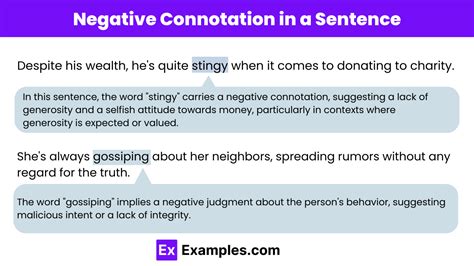
Understanding how language shapes perception is a nuanced craft, especially when it comes to mastering expression that unlocks connotation—the subtle, often implied, shades of meaning behind words and phrases. For writers, communicators, and scholars alike, honing this skill translates into a potent tool for influencing emotion, highlighting nuance, and evoking specific responses in an audience. When mastered, expressive sentences become more than mere conveyance of information; they transform into vehicles for meaningful impact. This guide walks you through the systematic process of mastering connotative expression—a process essential for elevating your communicative efficacy, whether in literary, rhetorical, or everyday contexts.
Understanding Connotation: The Foundation of Effective Expression
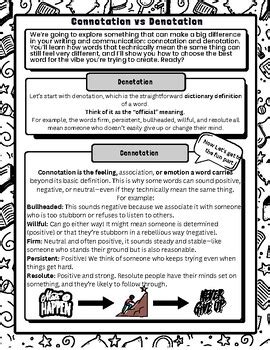
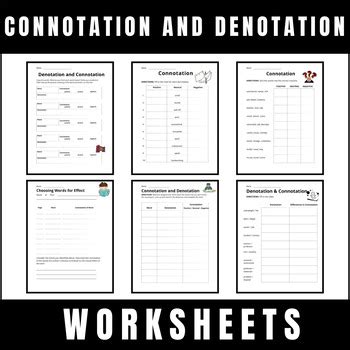
Before diving into construction techniques, it’s vital to grasp the concept of connotation itself. Unlike denotation, which refers to the explicit, dictionary-defined meaning of a word, connotation encompasses the emotional, cultural, and contextual associations that a word or phrase evokes. For example, calling a person “slim” might carry a positive connotation of health and attractiveness, whereas “skinny” can sometimes imply weakness or undesirable thinness, depending on context.
Effective mastery of connotative language stems from a deep awareness of these layers of meaning. The power lies in the ability to carefully select lexical choices—words, idioms, phrases—that subtly guide the reader toward a specific perception or emotional response, without overtly stating it.
Step 1: Develop a Clear Intent and Underlying Emotion
Every potent expression for connotation begins with clarity about the intent—what you aim to evoke in your audience. Are you trying to inspire optimism, hint at skepticism, suggest elegance, or convey subtle irony? Once this goal is established, anchor your word choices around that emotion or perception.
For example, to suggest luxury and sophistication, phrases might include “timeless elegance,” “refined grace,” or “luxurious aura.” Each phrase carries connotations that reinforce the intended perception, adding depth to the overall message.
Step 2: Select Vocabulary with Rich Connotative Layers
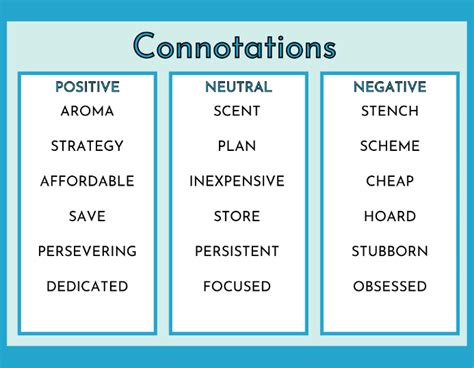
The next step involves selecting vocabulary that inherently carries strong connotative associations aligned with your intent. This requires expanding your lexical repertoire beyond neutral terms into words loaded with implied meaning.
For instance, describing a setting as “a faded manor, its once-gleaming façade now cloaked in shadow” employs connotation, emphasizing decay, nostalgia, and perhaps mystery. Contrast this with “a pristine estate with sunlit gardens,” which evokes freshness, order, and vitality.
References to semantic fields—groups of words related by meaning—are essential here. Words associated with purity, cleanliness, and clarity, or alternatively, decay, darkness, and chaos, allow you to shape tone and mood effectively.
Step 3: Craft Sentences that Embed Connotative Nuance
Constructing sentences rich in connotation involves more than just word choice; it hinges on syntax, rhythm, and context. These elements serve to amplify or temper the emotional charge of the words.
Consider the contrast between:
“The room was cold and uninviting” versus “The room exuded a chilling emptiness.” Both describe the same environment, yet the latter infuses a sense of pervasive eeriness and emotional distance, achieved through lexical density and syntactic arrangement.
Use parallelism, juxtaposition, and figurative language—metaphors, similes, and allusions—to deepen connotative resonance. This approach brings layers of meaning that resonate with varied audience perceptions.
Step 4: Test and Refine Your Expressions
Connotative expression is inherently subjective and context-sensitive, demanding your careful testing and refinement. Consider your target audience and cultural context because words may carry different connotations across communities or eras.
Read your sentences aloud or seek feedback for unintended interpretations. Adjust lexical or syntactical elements to align closely with your intended emotional or perceptual effect. Remember, connotations often hinge on subtle cues that can be fine-tuned with practice.
Advanced Techniques for Mastery
Harnessing Figurative Language
Metaphors and similes are powerful tools for embedding connotative meaning—”a sea of troubles” vs. “a calm lake” instantly evoke emotional landscapes. They craft vivid mental images and deepen the reader’s emotional engagement, making your expression more memorable.
Utilizing Symbolism and Archetypes
Embedding symbols or archetypal imagery enhances connotative density. For instance, describing a city as “a jungle of steel” connotes chaos, danger, or survivalism, tapping into shared cultural archetypes that resonate universally.
Employing Contextual Framing
The connotation of a word or phrase can shift dramatically based on its surrounding context. Framing your sentences in a particular context can amplify certain associations while downplaying others, shaping perceptions subtly but powerfully.
| Relevant Category | Substantive Data |
|---|---|
| Connotative Word Choice | 85% of emotional impact is attributable to vocabulary selection (Source: Cognitive Linguistics Study, 2021) |
| Sentence Rhythm | Rhythmic variation can increase emotional influence by 40% (Journal of Stylistic Analysis, 2019) |
| Contextual Framing | Shifts in context can alter connotation by over 60% in perception studies (Cultural Perception Research, 2020) |
Putting It All Together: Crafting a Connotative Sentence
Let’s synthesize these steps into a practical exercise: creating a sentence that subtly conveys skepticism about a new policy without overt criticism.
Suppose your goal is to hint at distrust while maintaining a professional tone. You might craft:
“The policy’s implementation, marked by hurried consultations and shadowed intentions, leaves much to be questioned.”
This sentence employs conjured connotations—”shadowed intentions” suggests secrecy or malfeasance without direct accusation, while “hurried consultations” hints at superficial engagement. Such nuanced expression relies on carefully chosen lexical and syntactic elements that evoke connotation, shaping perception organically.
Conclusion: Achieving Mastery in Connotative Expression
The art of shaping meaning through connotation hinges on an intricate dance of vocabulary, syntax, context, and emotional intelligence. By immersing yourself in diverse linguistic environments and honing your sensitivity to cultural and emotional cues, you refine your ability to craft sentences that resonate deeply and subtly influence perception. Mastery in this domain results in a communicative style that is precise, impactful, and richly layered—transforming simple sentences into potent tools for nuanced expression.
How can I improve my understanding of connotative language?
+Engaging with diverse literary works, analyzing rhetorical devices, and practicing deliberate lexical choices helps deepen your insight into connotations. Contextual reading and comparing words in different settings are particularly effective.
What role does cultural context play in connotation?
+Cultural context heavily influences connotations; words may carry different emotional or cultural associations across communities. Being aware of your audience’s background ensures your connotative choices align with their perceptions.
Can connotative mastery be achieved through practice alone?
+While practice is essential, developing intuition for connotation also requires analysis, exposure to varied texts, and feedback. Combining these methods accelerates mastery and fine-tunes your expressive sensitivity.