
I’ll create a blog post about Audio Visual Technician Schools following the specified guidelines:
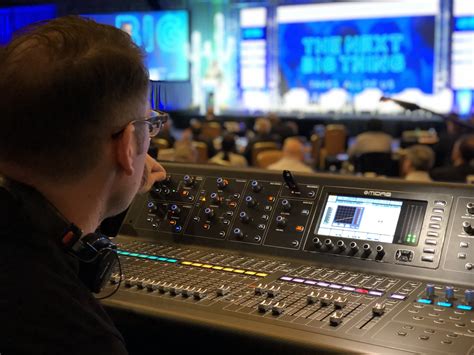
The world of audio-visual technology is a dynamic and exciting field that offers numerous career opportunities for those passionate about sound, lighting, and multimedia production. Audio Visual Technician Schools play a crucial role in preparing students for this innovative and technical career path, providing the essential skills and knowledge needed to excel in various entertainment, corporate, and educational settings.
Understanding the Role of Audio Visual Technicians

Audio Visual Technicians are the unsung heroes behind seamless multimedia experiences. These skilled professionals work across multiple industries, including:
- Concert and live event production
- Corporate conference management
- Educational institution media support
- Broadcasting and media production
- Film and television production
Key Components of Audio Visual Technician Education

Comprehensive Audio Visual Technician Schools typically offer a curriculum that covers several critical areas of expertise:
Technical Skill Development

Students learn to master various technical skills, including:
- Sound engineering techniques
- Lighting design and operation
- Video production and editing
- Digital multimedia technologies
- Equipment maintenance and troubleshooting
Practical Training Approaches

Top-tier audio-visual technician programs emphasize hands-on learning through:
- State-of-the-art studio environments
- Real-world project simulations
- Internship opportunities
- Professional equipment exposure
Choosing the Right Audio Visual Technician Program

| Program Consideration | What to Look For |
|---|---|
| Curriculum Depth | Comprehensive technical and practical training |
| Equipment Access | Modern, industry-standard audio-visual tools |
| Instructor Expertise | Professionals with real-world experience |
| Certification Opportunities | Industry-recognized credentials |
🎓 Note: Always verify the accreditation and industry connections of potential audio-visual technician schools before enrollment.
Career Prospects in Audio Visual Technology
Graduates from specialized Audio Visual Technician Schools can expect diverse career opportunities with competitive salaries. The multimedia and entertainment industries continue to grow, creating consistent demand for skilled technicians who can navigate complex technological landscapes.
The journey to becoming a successful audio-visual technician requires dedication, continuous learning, and a passion for technology. By selecting the right educational program and maintaining a commitment to skill development, aspiring professionals can build rewarding careers in this dynamic field.
How Long Does Audio Visual Technician Training Take?

+
Training programs typically range from 6 months to 2 years, depending on the institution and desired certification level.
What Skills Are Most Important for Audio Visual Technicians?
+
Critical skills include technical proficiency, problem-solving, attention to detail, communication, and adaptability with emerging technologies.
Are Online Audio Visual Technician Programs Effective?

+
While online programs offer flexibility, hybrid or in-person training provides more comprehensive hands-on experience crucial for this technical field.