

I’ll create a blog post about bone-in pork butts following the specified guidelines. I’ll use HTML formatting and ensure the content meets the requirements:
Bone-in pork butts are a culinary treasure that transforms ordinary meals into extraordinary dining experiences. These flavorful cuts of meat, rich in marbling and connective tissue, offer home cooks and professional chefs alike a versatile ingredient that promises tender, succulent results when prepared with care and expertise.
Understanding Bone-In Pork Butts: A Culinary Deep Dive

Contrary to what the name might suggest, bone-in pork butts actually come from the shoulder area of the pig, not the rear. This cut is prized for its exceptional flavor and ability to become incredibly tender when slow-cooked. The presence of the bone contributes to the meat’s rich taste and helps maintain moisture during cooking.
Selecting the Perfect Bone-In Pork Butt

When shopping for bone-in pork butts, consider the following key factors:
- Marbling: Look for cuts with consistent white fat streaks throughout the meat
- Color: Fresh pork should have a pinkish-red hue
- Weight: Typically ranges from 2.5 to 4 kilograms
- Bone Integrity: Ensure the bone is firmly attached and the meat looks fresh
Cooking Techniques for Bone-In Pork Butts

Multiple cooking methods can transform bone-in pork butts into delectable dishes:
Slow Roasting

Slow roasting is perhaps the most popular method for preparing this cut. By cooking at low temperatures (around 135°C) for several hours, you’ll achieve meat so tender it practically falls off the bone.
Smoking

Smoking adds an incredible depth of flavor to bone-in pork butts. Using hardwoods like hickory or apple can create a remarkable taste profile that elevates the entire dish.
| Cooking Method | Temperature | Approximate Cooking Time |
|---|---|---|
| Slow Roasting | 135°C | 4-5 hours |
| Smoking | 107-121°C | 6-8 hours |

🔥 Note: Always use a meat thermometer to ensure internal temperature reaches at least 63°C for food safety.
Flavor Enhancement Techniques
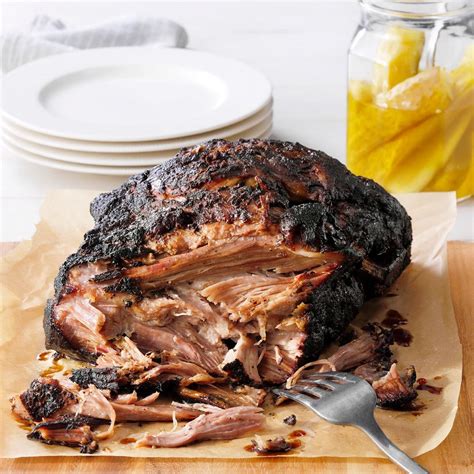
To maximize the potential of bone-in pork butts, consider these flavor-boosting strategies:
- Create a robust dry rub with paprika, brown sugar, and black pepper
- Marinate overnight in a mixture of apple cider vinegar and herbs
- Let the meat rest for 15-20 minutes after cooking to redistribute juices
The journey of preparing bone-in pork butts is as rewarding as the final meal itself. Whether you're a home cook or a barbecue enthusiast, mastering this cut opens up a world of culinary possibilities that promise to delight your taste buds and impress your guests.
How long should I cook a bone-in pork butt?

+
Cooking time varies depending on the method, but typically ranges from 4-8 hours at low temperatures between 107-135°C.
What’s the best way to keep pork butt moist?

+
Use low and slow cooking methods, baste periodically, and allow the meat to rest after cooking to retain moisture.
Can I freeze bone-in pork butt?

+
Yes, you can freeze bone-in pork butt for up to 4-6 months. Wrap tightly in freezer paper or vacuum-sealed bags to prevent freezer burn.