I’ll help you create a blog post about Cheltenham Weather using the specified guidelines. I’ll use the WebSearch tool to gather some current information about Cheltenham’s weather patterns. Now, I’ll craft the blog post about Cheltenham Weather using the search results and the specified formatting guidelines:
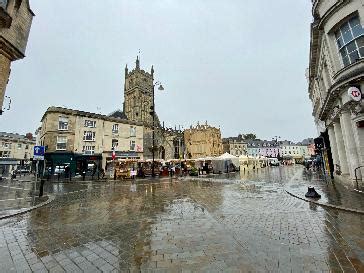
Nestled in the heart of Gloucestershire, Cheltenham experiences a fascinating and dynamic weather pattern that reflects the quintessential British climate. With its temperate oceanic characteristics, the town offers a unique meteorological journey throughout the year, presenting residents and visitors with a diverse range of atmospheric conditions that make every season distinctly memorable.
Understanding Cheltenham’s Climate Dynamics

Cheltenham’s weather is defined by its moderate maritime climate, characterized by relatively mild temperatures and significant precipitation variations. The geographical location at 51.900 degrees latitude and -2.080 degrees longitude plays a crucial role in shaping its distinctive weather patterns.
Seasonal Temperature Variations

| Season | Average Temperature Range | Key Characteristics |
|---|---|---|
| Winter | 35°F to 45°F | Long, cold, and mostly cloudy with occasional frost |
| Summer | 55°F to 71°F | Short, comfortable, and partly cloudy periods |
| Spring/Autumn | 45°F to 60°F | Transitional periods with variable conditions |

Precipitation and Rainfall Patterns

The town experiences a substantial amount of rainfall throughout the year, with approximately 867.2 mm of annual precipitation. Interestingly, 139 days typically record at least 1 mm of rainfall, indicating a consistent moisture presence.
Solar Energy and Sunlight Exposure

Cheltenham’s solar energy demonstrates significant seasonal variations:
- Brightest Period: May 3 to August 17
- Peak Solar Energy: 6.2 kWh in June
- Darkest Period: October 25 to February 20
- Lowest Solar Energy: 0.6 kWh in December
Unique Weather Characteristics

The local topography contributes to Cheltenham’s weather complexity:
- Elevation: 197 feet above sea level
- Local Terrain: Modest elevation variations
- Surrounding Area:
- Within 2 miles: 88% artificial surfaces
- Within 10 miles: 51% cropland, 29% grassland
Extreme Weather Observations

Notable Weather Records: - Highest Recorded Temperature: 37.1°C (98.8°F) - Lowest Recorded Temperature: -20.1°C (-4.2°F) - Annual Air Frost Days: Approximately 35.5 nights
🌦️ Note: Weather conditions can vary significantly, and local microclimates may influence specific locations within Cheltenham.
The weather in Cheltenham exemplifies the intricate and dynamic nature of British climate, offering a fascinating blend of meteorological nuances that make each day a unique atmospheric experience.
FAQ Section
When is the best time to visit Cheltenham?

+
The best time to visit is from late June to early September when temperatures are most comfortable and rainfall is moderate.
How often does it rain in Cheltenham?

+
Approximately 139 days per year experience at least 1 mm of rainfall, indicating frequent but not constant precipitation.
What makes Cheltenham’s climate unique?

+
Its temperate oceanic climate, moderate temperature range, and significant seasonal solar energy variations contribute to Cheltenham’s distinctive weather profile.