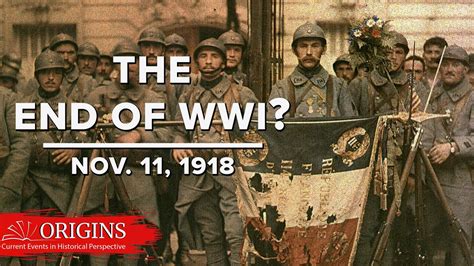
I’ll help you create a blog post about the end of World War 1. I’ll first do a web search to gather accurate historical information. Based on the search results, I’ll craft the blog post about the date World War 1 ended:
The thunderous guns of World War I fell silent on November 11, 1918, marking one of the most pivotal moments in modern human history. At precisely 11:00 a.m. Paris Time, the armistice agreement between the Allied nations and Germany was implemented, bringing an end to four years of unprecedented global conflict that had devastated Europe and claimed millions of lives.
The Momentous Morning of Armistice

On that historic day, the armistice was signed in a railroad car located in the Forest of Compiègne, near the town of Compiègne in France. The agreement was negotiated and signed at 5:00 a.m. by the Allied Supreme Commander, French Marshal Ferdinand Foch, and German delegates. The timing of the armistice—the 11th hour of the 11th day of the 11th month—would become symbolically significant in commemorating the end of what was then called “The Great War”.
Human Cost of the Conflict

The war’s toll was staggering and heartbreaking. The conflict resulted in:
- 9 million soldiers killed
- 21 million soldiers wounded
- At least 5 million civilians dead from disease, starvation, and exposure
Path to Peace

The road to armistice was long and arduous. The war began on July 28, 1914, triggered by the assassination of Archduke Franz Ferdinand. What started as a regional conflict quickly escalated into a global confrontation involving major world powers. The United States entered the war on April 6, 1917, providing crucial support to the Allied forces.
Armistice Terms

The armistice agreement included complex conditions for Germany, including:
- Complete evacuation of invaded territories
- Surrender of significant war materials
- Withdrawal from occupied regions
Historical Significance

While the armistice marked the cessation of hostilities, the Treaty of Versailles, signed on June 28, 1919, officially ended the war. Ironically, the punitive terms of this treaty would later contribute to the tensions that would lead to World War II.
When exactly did World War I end?

+
World War I effectively ended on November 11, 1918, at 11:00 a.m. Paris Time, when the armistice between Allied nations and Germany went into effect.
Where was the armistice signed?
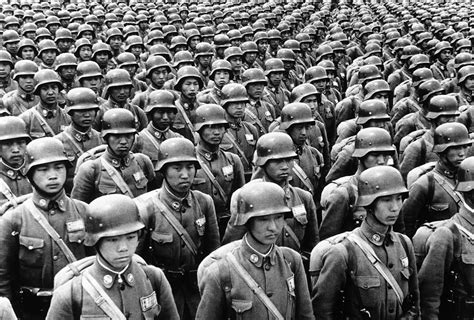
+
The armistice was signed in a railroad car in the Forest of Compiègne, near the town of Compiègne, France.
How many people died in World War I?

+
Approximately 9 million soldiers were killed, 21 million were wounded, and at least 5 million civilians died during World War I.