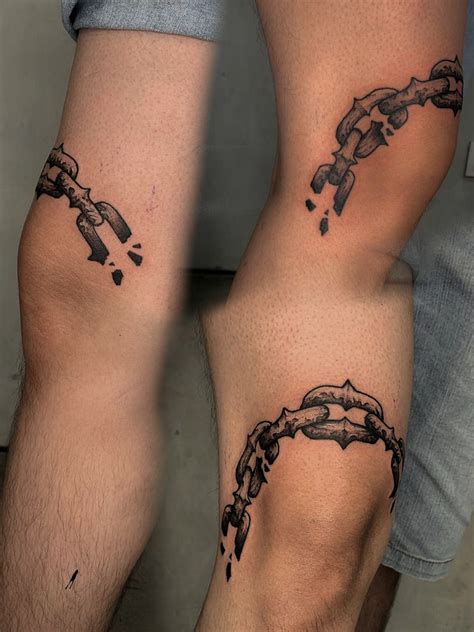
I’ll help you create a blog post about El Chapo Tattoo Design. I’ll use web search to gather some contextual information first. Based on the search results, I’ll craft a blog post about El Chapo Tattoo Design with insights into prison tattoo culture:
In the intricate world of prison tattoos, El Chapo tattoo designs represent more than just ink on skin—they’re a complex narrative of identity, rebellion, and cultural symbolism. Drawing inspiration from the notorious drug lord Joaquín “El Chapo” Guzmán, these tattoos blend personal storytelling with the raw aesthetics of prison art.
The Cultural Significance of El Chapo-Inspired Tattoos
Prison tattoos have long been a powerful medium of expression, particularly within Hispanic prison cultures. El Chapo tattoos often incorporate multiple symbolic elements that go beyond simple portraiture. These designs frequently include:
- Portraits of El Chapo himself
- Geographical references to Sinaloa or Chihuahua
- Cartel-related imagery
- Symbolic representations of power and resistance
Decoding the Symbolism
When exploring El Chapo tattoo designs, it’s crucial to understand the deeper meanings embedded in these artistic expressions. Many tattoos featuring El Chapo are not just decorative but serve as complex narratives of personal experience. For instance, some inmates might incorporate:
- Border state outlines (like Chihuahua)
- Drug trafficking iconography
- References to the Sinaloa Cartel
- Symbolic representations of escape and rebellion
Design Considerations and Artistic Elements
Creating an authentic El Chapo tattoo design requires careful consideration of several artistic elements:
- Realistic portraiture techniques
- Incorporation of Mexican cultural symbols
- Use of black and gray shading
- Detailed background elements
🔍 Note: While these tattoos can be visually striking, it's important to understand their complex cultural and personal significance beyond mere aesthetic appeal.
The evolution of El Chapo tattoos reflects broader trends in prison and gang-related body art. What began as a deeply personal form of identification has gradually transformed into a complex cultural expression. Interestingly, law enforcement has long used such tattoos as a method of identifying and profiling individuals, though this practice has become increasingly controversial.
Are El Chapo tattoos only found in prisons?
+While primarily associated with prison culture, these tattoos have spread to broader cultural contexts, though they remain most prevalent in specific Hispanic communities.
Do all El Chapo tattoos look the same?
+No, each tattoo is unique. Designs vary based on personal experience, artistic skill, and individual interpretation of El Chapo's significance.
Is it dangerous to get an El Chapo tattoo?
+While not inherently dangerous, such tattoos can carry significant social and potentially legal implications, especially in certain communities or law enforcement contexts.
These tattoo designs continue to evolve, serving as a powerful testament to personal narratives, cultural identity, and the complex world of prison art. They remind us that every tattoo tells a story—sometimes of survival, rebellion, or simply human experience.