
I’ll help you create a blog post about how cashew nuts grow. I’ll follow the specified guidelines carefully. Based on the search results, I’ll craft a comprehensive blog post about how cashew nuts grow:
Nestled in a peculiar landscape of agriculture, cashew nuts emerge through a fascinating journey that begins with an unexpected botanical marvel. Unlike traditional nuts, cashews grow in a unique manner that surprises most people, revealing a complex process of cultivation, harvesting, and transformation.
The Botanical Origins of Cashew Nuts

Cashew trees (Anacardium occidentale) are remarkable tropical evergreen plants that thrive in regions with annual rainfall between 400 to 4,000 mm. These trees can grow up to 20 meters tall, though they typically reach heights of 8-12 meters. Originating in Brazil, cashew trees were introduced to India in the 16th century by Portuguese explorers and have since spread across tropical regions in Africa, Asia, and parts of South America.
| Botanical Characteristic | Details |
|---|---|
| Scientific Name | Anacardium occidentale |
| Family | Anacardiaceae (which includes mangoes and pistachios) |
| Tree Height | 8-12 meters (can reach up to 20 meters) |
| Growing Regions | Tropical areas including Brazil, India, Vietnam, Côte d'Ivoire |

The Unique Growth Cycle of Cashew Nuts

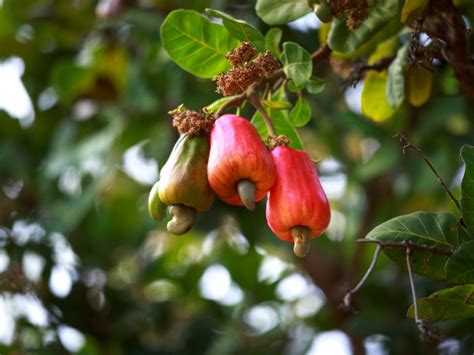
Cashew nuts have a remarkable and somewhat deceptive growth process. Contrary to popular belief, what we call a “nut” is actually a seed attached to a fleshy fruit known as the cashew apple. This unique characteristic sets cashews apart from other nuts.
Flowering and Fertilization

The cashew tree’s reproductive cycle is intricate. Flowering occurs between December and April in the Northern Hemisphere and June to December in the Southern Hemisphere. The tree produces both male and hermaphrodite flowers on the same plant, enabling cross-fertilization.
Fruit Development

About a week after fertilization, a green nut with a small apple appears. The nut grows rapidly, reaching 80% of its final size quickly. As the nut matures, the apple transforms from green to red or yellow, becoming fragrant and wider.
Harvesting Process

Cashew nuts are typically harvested during dry weather, with the process taking 2-3 months from fruit set to maturity. Farmers often wait for the apple to fall to the ground, indicating ripeness. The nut remains firmly attached to the apple until harvest.
From Tree to Processing
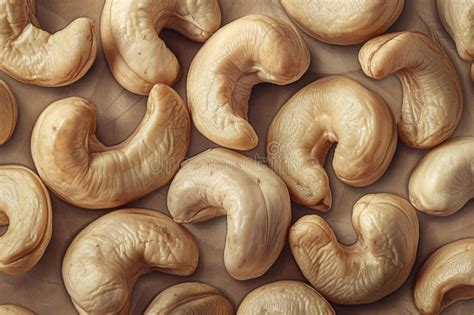
The journey of a cashew nut from tree to consumer involves several critical steps:
- Harvesting: Nuts are picked when the apple turns red or yellow
- Sun-Drying: Reducing moisture content to approximately 8%
- Calibration: Sorting nuts by size (typically 18-24 mm)
- Shelling: Carefully removing the toxic shell
- Processing: Cleaning, grading, and packaging
🌿 Note: The cashew nut shell contains a toxic liquid called CNSL (Cashew Nut Shell Liquid) that can cause skin burns, making processing a delicate operation.
Global Production Insights

| Country | Annual Production (Metric Tons) |
|---|---|
| India | 170,000-195,000 |
| Côte d'Ivoire | 149,000 |
| Vietnam | 82,000 |
| Tanzania | 53,000 |
The global cashew industry produces between 720,000 and 790,000 metric tons of cashew kernels annually, with significant economic impact in tropical regions.
The remarkable journey of a cashew nut from a tiny flower to a global commodity represents an intricate dance of botanical wonder, agricultural expertise, and human innovation.
Are cashews actually nuts?

+
Technically, cashews are seeds, not nuts. They grow attached to a fleshy fruit called a cashew apple and are botanically classified as a seed.
Why are cashew nuts so expensive?

+
The complex harvesting and processing requirements, including the need to carefully remove toxic shell liquid and the labor-intensive processing, contribute to the higher cost of cashew nuts.
Can you eat a cashew apple?

+
Yes, cashew apples are edible and rich in vitamin C. However, they are extremely perishable and must be consumed locally and immediately after harvesting.