I’ll create a blog post about the meaning of “In A Vacuum” following the specified guidelines:
The phrase “in a vacuum” is a fascinating linguistic construct that extends far beyond its literal scientific interpretation. While it might initially conjure images of outer space or scientific experiments, this expression carries profound philosophical and metaphorical significance in everyday communication. Understanding its nuanced meaning can provide deeper insights into how we describe contexts, interactions, and complex scenarios.
Literal and Metaphorical Interpretations

In its most basic scientific sense, in a vacuum refers to an environment completely devoid of matter, where no particles exist and external influences are absent. However, the phrase has evolved to become a powerful metaphorical tool used across various disciplines, from philosophy to social sciences.
Contextual Usage and Meaning
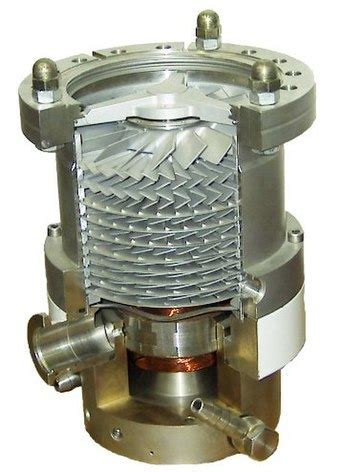
When people say something happens “in a vacuum”, they typically mean that an event, decision, or phenomenon occurs:
- Without considering external circumstances
- Isolated from surrounding context
- Disconnected from broader influences
Philosophical and Analytical Perspectives

Philosophers and critical thinkers often use this phrase to highlight the interconnectedness of systems and experiences. No event truly occurs in a vacuum, as every action is influenced by complex networks of social, cultural, historical, and personal factors.
Practical Examples

Consider these scenarios where in a vacuum might be applied:
- A business decision made without understanding market trends
- An academic theory developed without empirical evidence
- A personal judgment formed without considering multiple perspectives
🔍 Note: Understanding context is crucial in preventing misinterpretations that can arise from analyzing situations in isolation.
Linguistic Implications

The phrase serves as a powerful rhetorical device, encouraging listeners and readers to think beyond immediate appearances and consider broader contextual elements. It reminds us that true understanding requires comprehensive examination.
While the concept might seem abstract, it's a fundamental principle in critical thinking, scientific research, and interpersonal communication. By recognizing that nothing truly occurs in a vacuum, we develop more nuanced, empathetic, and comprehensive perspectives.
What does “in a vacuum” literally mean?

+
Literally, it refers to an environment completely empty of matter, with no particles or external influences present.
How is “in a vacuum” used metaphorically?

+
Metaphorically, it describes situations or decisions made without considering external context or surrounding influences.
Why is understanding context important?

+
Context provides a comprehensive understanding by revealing interconnected factors that influence events, decisions, and perceptions.