
I’ll create a blog post about the Navy Operational Chain of Command following the specified guidelines:
The Navy Operational Chain of Command represents a critical framework that ensures effective leadership, communication, and strategic decision-making within maritime military operations. This intricate system of hierarchical authority defines how naval forces organize, communicate, and execute missions across various operational environments.
Understanding the Navy Operational Hierarchy

At the core of naval operations, the Navy Operational Chain of Command provides a structured approach to leadership that enables rapid and coordinated responses to complex military challenges. The hierarchy is designed to ensure clear lines of communication, accountability, and strategic alignment from the highest levels of military leadership down to individual naval units.
Key Components of the Naval Command Structure

The operational chain encompasses several crucial levels of leadership:
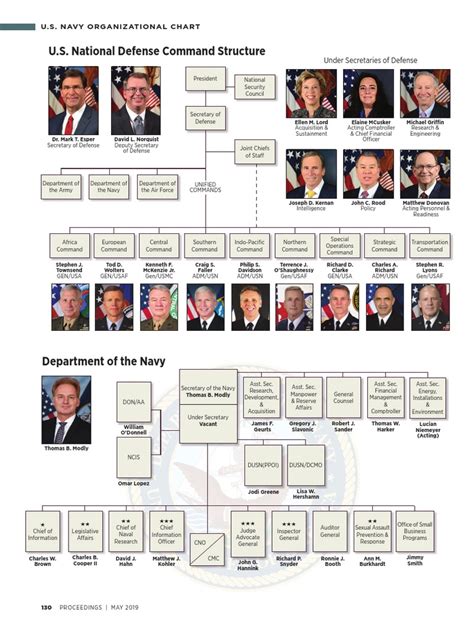
- Commander-in-Chief: Typically the national leader who holds ultimate military authority
- Secretary of the Navy: Responsible for overall naval department management
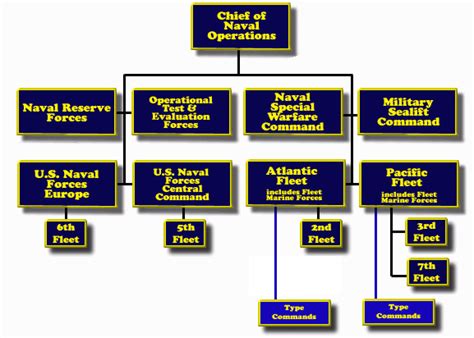
- Chief of Naval Operations: Highest-ranking naval officer who oversees strategic planning
- Fleet Commanders: Responsible for specific maritime regions and operational deployments
- Operational Unit Commanders: Direct leaders of ships, squadrons, and maritime task forces
Communication and Decision-Making Protocols
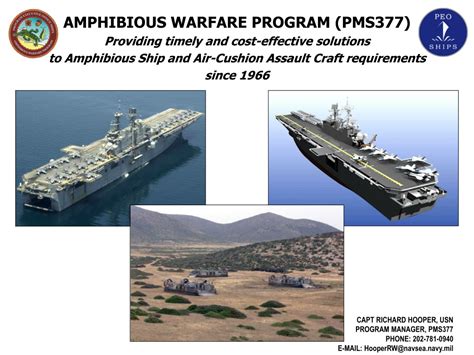
The Navy Operational Chain of Command relies on precise communication protocols that ensure:
- Rapid transmission of strategic directives
- Clear accountability for mission objectives
- Efficient resource allocation
- Coordinated response to emerging threats
Command Delegation Principles
Effective command delegation is crucial in naval operations. Each level of the chain has specific responsibilities and authority, allowing for:
- Decentralized decision-making in complex scenarios
- Flexibility in responding to dynamic maritime challenges
- Maintaining a clear line of strategic oversight
🚢 Note: The operational chain ensures that strategic decisions can be implemented quickly and efficiently across diverse naval environments.
Naval operational effectiveness depends on the seamless integration of leadership, communication, and strategic planning. The chain of command provides a robust framework that allows naval forces to respond to global challenges with precision, coordination, and strategic insight.
Who is at the top of the Navy Operational Chain of Command?

+
The Commander-in-Chief (typically the national leader) sits at the top of the Navy Operational Chain of Command, with the Secretary of the Navy and Chief of Naval Operations directly beneath.
How often does the Navy review its command structure?
+
The Navy continuously evaluates and adapts its operational chain of command to address emerging global challenges, technological advancements, and strategic requirements.
What makes the Navy’s chain of command unique?

+
The Navy’s chain of command is distinguished by its emphasis on maritime-specific challenges, global operational flexibility, and the ability to coordinate complex multinational maritime missions.