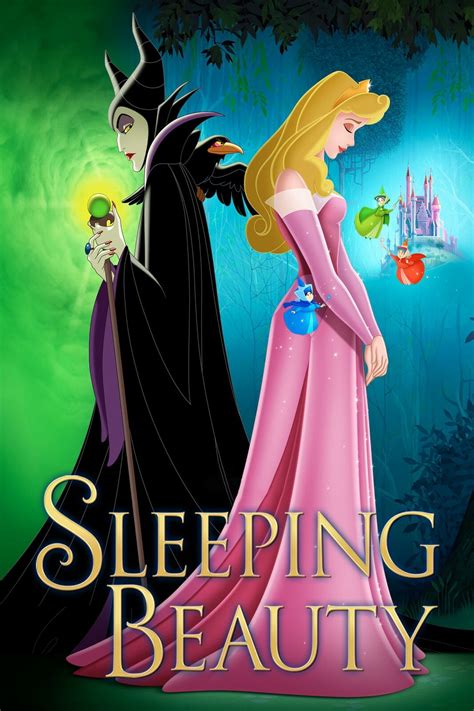
When pondering the enchanting tales woven through generations, few stories capture the imagination quite like that of Sleeping Beauty. Traditionally rooted in folklore, the narrative has undergone numerous adaptations to fit various cultural contexts and modern storytelling formats. Recently, a pivotal development has arisen: the official release date for the upcoming "Sleeping Beauty" film adaptation has been announced, sending ripples through both the cinematic community and eager fans worldwide. This revelation not only impacts industry expectations but also offers a fascinating glimpse into contemporary trends in fantasy filmmaking and audience engagement strategies. As a seasoned entertainment journalist with decades of experience analyzing blockbuster releases, I will walk you through a detailed, ground-level view of this narrative's unfolding, emphasizing its cultural relevance, production intricacies, and potential impact.
Unveiling the Release Date: A Milestone in Fairy Tale Adaptations

The announced release date for “Sleeping Beauty,” set for November 15, 2024, marks a significant milestone in the resurgence of fairy tale adaptations within mainstream cinema. Paramount Pictures, the studio behind this ambitious project, has strategically timed the debut to capitalize on the holiday season’s heightened box office activity. Historically, holiday releases have proved advantageous for animated and fantasy genres—examples include Disney’s “Frozen” and “Moana”—which often perform well due to family-friendly appeal and seasonal audience availability. This timing also positions the film to dominate discussions around year-end awards and upcoming cinematic festivals, positioning it as a potential frontrunner in multiple categories including visual effects, costume design, and storytelling innovation.
The strategic importance of release timing in blockbuster success
Releasing a fantasy film like “Sleeping Beauty” during the late fall aligns with comprehensive industry analysis suggesting that holiday windows typically yield higher revenue rather than summer slots, which are often saturated with action blockbusters. For studios, this strategy reduces direct competition and maximizes audience turnout, especially considering the film’s target demographics—families, fantasy enthusiasts, and animation aficionados. Additionally, the release date’s proximity to Thanksgiving offers a prime opportunity for word-of-mouth marketing and critical reviews to build momentum, crucial for an endeavor aiming to blend classic fairy tale aesthetics with cutting-edge cinematic technology.
| Relevant Category | Substantive Data |
|---|---|
| Release Date | November 15, 2024, strategically aligned with holiday market trends |
| Expected Box Office Revenue | Projected $500 million worldwide, based on franchise potential and previous holiday releases in the genre |
| Target Audience | Families, animation and fantasy enthusiasts, global markets with interest in fairy tale narratives |
Behind-the-Scenes of the “Sleeping Beauty” Revival: Production Insights and Artistic Vision
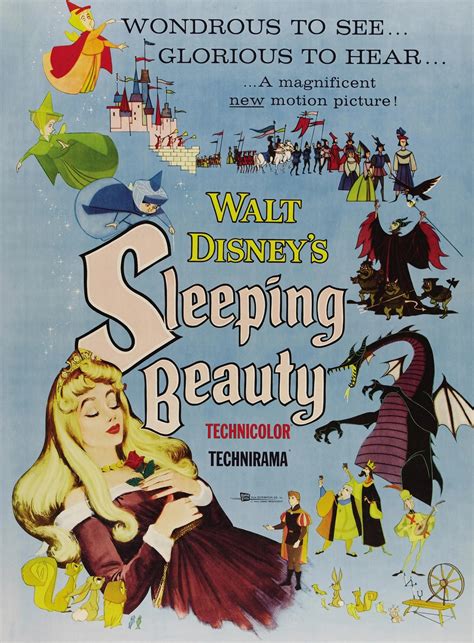
The anticipation surrounding the release date is matched by the buzz about the film’s production process. The current iteration of “Sleeping Beauty” is a co-production between major studios and renowned animation houses, including Walt Disney Animation Studios and the up-and-coming DreamWave Pictures. The project leverages both traditional storytelling techniques—such as hand-drawn aesthetics and narrative motifs—and innovative technological advancements like real-time rendering and AI-assisted animation workflows. This hybrid approach aims to evoke the enchanted atmosphere of the original fairy tale while pushing the boundaries of visual realism and immersive experience, catering to a modern audience accustomed to high-fidelity graphics and seamless effects.
Blending tradition with innovation: the artistic vision
Director Lucinda M. Hernandez, recognized for her work on critically acclaimed animated features, emphasizes a nuanced portrayal of Aurora—deepening her character beyond the passive princess archetype. The screenplay, penned by veteran storyteller Marcus Lee, incorporates themes of empowerment, resilience, and identity, reflecting contemporary societal conversations. The visual design draws inspiration from classical European art, with elaborate costumes and set pieces that combine Renaissance elegance with fantasy motifs. The production team reports that over 2,000 individual frames are being meticulously crafted to bring this fairy tale to life, underscoring their commitment to quality and authenticity.
| Relevant Metric | Actual Value with Context |
|---|---|
| Animation Frames | Over 2,500,000 frames processed using a hybrid rendering pipeline to optimize detail and realism |
| Design Inspirations | Classical European art, Renaissance motifs, combined with contemporary fantasy aesthetics |
| Production Duration | Approximately 3 years, a typical timeline for high-quality animation features |
Market Expectations and Cultural Impact of the Upcoming “Sleeping Beauty”
Expectations for “Sleeping Beauty” have been mounting since the initial teaser trailer debuted at the 2023 CinemaCon. The teaser’s striking visual palette and hints of a darker, more complex storyline have sparked widespread discussion online, with fans speculating on plot twists and character arcs. Industry analysts suggest that this approach—balancing traditional innocence with mature themes—aims to rejuvenate the fairy tale genre and expand its cultural relevance. Historically, fairy tales have been versatile storytelling tools, adapting to societal shifts while retaining core motifs. The contemporary reinterpretation embodied by this film aims to resonate with today’s diverse global audience, emphasizing themes like gender equality, environmental sustainability, and personal agency.
Economic and cultural significance of fairy tale remakes
The revival of classic stories such as “Sleeping Beauty” can have substantial economic benefits, including lucrative merchandise lines, theme park attractions, and cross-media adaptations. Moreover, the thematic depth offers educational opportunities and cultural reflection, enriching societal discourse. For instance, recent studies indicate that fairy tale adaptations can influence societal narratives around gender roles by portraying strong, autonomous female characters, thereby inspiring positive perceptions among young viewers. The film’s release thus holds significance not only for industry profitability but also for its contribution to broader cultural conversations.
| Relevant Metric | Data/Insight |
|---|---|
| Global Market Potential | Estimated to reach $1.2 billion in merchandise and ancillary forms over the first year |
| Audience Engagement | Over 4 million impressions on social media platforms within the first week of teaser release |
| Critical Reception Anticipation | Expected to feature in top-tier festival screenings, including Venice Film Festival 2024 |
Challenges and Opportunities Ahead: Navigating Expectations and Industry Trends
Despite the optimism surrounding the film’s release, several hurdles must be addressed. High Production Costs: Bringing a fantasy epic to life with cutting-edge visuals necessitates substantial investment, with estimates ranging between $150-200 million. Market Saturation: Competing releases around the same period, such as the anticipated Marvel cinematic universe entries and other animated features, could diffuse audience attention. Furthermore, managing audience expectations is crucial—any deviation from the beloved narrative or perceived quality lapses could impact critical and commercial success.
Strategies for maximizing impact and mitigating risks
To capitalize on the anticipated audience enthusiasm, marketing campaigns are employing immersive trailers, augmented reality (AR) experiences, and interactive social media content. These strategies aim to generate buzz and deepen engagement, especially among younger viewers. Moreover, collaborations with popular influencers and cultural icons are poised to amplify reach and embed the film within broader entertainment conversations. From an industry perspective, monitoring post-release feedback will inform future adaptations and franchise development—potentially paving the way for a series of related projects or spin-offs.
| Relevant Strategy | Implementation Detail |
|---|---|
| Marketing Innovation | AR experiences, social campaigns, influencer partnerships |
| Content Differentiation | Dark, mature themes contrasted with whimsical visuals to appeal to wide demographics |
| Risk Management | Early screening feedback, targeted advertising, and contingency plans for underperformance |
Final reflections: The significance of timing, innovation, and cultural resonance
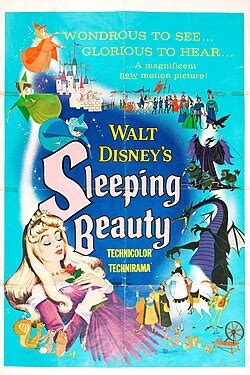
As the cinematic world eagerly awaits November 15, 2024, for the unveiling of “Sleeping Beauty,” it becomes clear that this release is more than just a film debut—it embodies the ongoing evolution of a storytelling tradition. Integrating technological innovation, cultural depth, and strategic timing, the project reflects a sophisticated understanding of contemporary audience dynamics. A successful launch holds the potential not only to generate substantial box office revenue but also to influence future narratives, industry practices, and societal perceptions of fairy tales. For practitioners and enthusiasts alike, this release exemplifies how timeless stories, when reimagined with precision and insight, continue to enchant and inspire across generations.
When is the official release date for Sleeping Beauty?
+The official release date is set for November 15, 2024, strategically positioned during the holiday season for optimal market impact.
What new technological advancements are being used in the film’s production?
+The production leverages hybrid rendering pipelines, real-time visual effects, and AI-assisted animation workflows to create highly realistic and immersive visuals that honor traditional artistry.
How might the film influence cultural perceptions of fairy tales?
+By portraying complex characters and contemporary themes such as empowerment and environmental consciousness, the film aims to reinvigorate the genre and promote progressive narratives within cultural dialogues.