

I’ll help you create a blog post about the Smith & Wesson Lady Model. I’ll first do a web search to gather accurate information. Based on the search results, I’ll craft the blog post about the Smith & Wesson Lady Model:
The Smith & Wesson Lady Model represents a fascinating chapter in firearm design, showcasing the company’s innovative approach to creating firearms specifically tailored for women. Originating in the early 20th century, this unique line of revolvers has a rich history that goes far beyond simple marketing, embodying a thoughtful approach to firearm ergonomics and user experience.
The Origins of the Lady Model

In 1902, Smith & Wesson introduced the first Ladysmith revolver, a compact .22-caliber hand-ejector model that was revolutionary for its time. Developed under the direction of Daniel B. Wesson, this firearm was specifically designed to provide women with a lightweight, manageable weapon for target practice and personal protection.
Historical Specifications

The original Ladysmith revolver boasted some remarkable characteristics:
- Caliber: .22 Long Rifle
- Cylinder: Seven-shot fluted design
- Frame: Small "M" frame for easier handling
- Finish Options: Blue or nickel
- Barrel Lengths: Ranging from 2¼ to 6 inches
- Weight: Approximately 11.5 ounces (for the 6-inch barrel model)
Design Philosophy

What set the Lady Model apart was its innovative approach to firearm design. The revolver incorporated a swing-out cylinder for efficient reloading and featured a star extractor mechanism. Early models even had a unique rear-pull button cylinder release, which was later replaced by front-pull mechanisms.
Manufacturing and Production
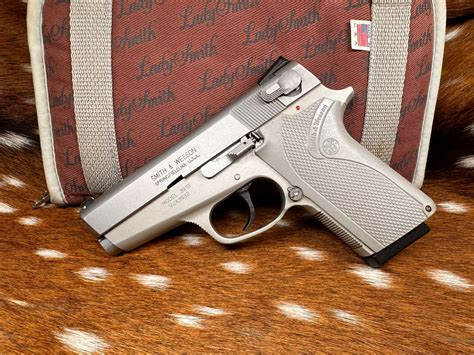
Between 1902 and 1921, Smith & Wesson manufactured approximately 26,154 units of the original Ladysmith. The production spanned three distinct models, each introducing subtle improvements to the design. Interestingly, these revolvers were not just marketing gimmicks but genuine attempts to create firearms that better suited women’s needs.
Modern LadySmith Evolution

In the late 1980s, Smith & Wesson revived the LadySmith branding for a new generation of firearms. These modern variants included:
- J-frame five-shot .38 Special revolvers
- Model 642 variants
- Lighter trigger mechanisms
- Bobbed hammers for easier concealment
- Ergonomic grips tailored for female users
Collector’s Value

Today, original Ladysmith revolvers are highly sought after by collectors. Well-preserved examples can command values exceeding $1,000, reflecting their historical significance and rarity. These firearms represent more than just weapons; they are tangible pieces of firearms history that showcase the evolution of design and user-centric engineering.
The Smith & Wesson Lady Model stands as a testament to the company's forward-thinking approach, recognizing that firearms should be designed with diverse users in mind. From its early 20th-century origins to its modern iterations, the Ladysmith line continues to intrigue firearms enthusiasts and historians alike.
When was the first Ladysmith revolver introduced?

+
The first Ladysmith revolver was introduced in 1902 by Smith & Wesson, designed as a compact .22-caliber hand-ejector model specifically for women.
How many original Ladysmith revolvers were produced?
+
Approximately 26,154 units were manufactured between 1902 and 1921, spanning three distinct models.
Are original Ladysmith revolvers valuable today?

+
Yes, well-preserved original Ladysmith revolvers can command collector values exceeding $1,000 due to their historical significance and rarity.
