I’ll create a blog post about “Virgin In The Rocks” following the specified guidelines:
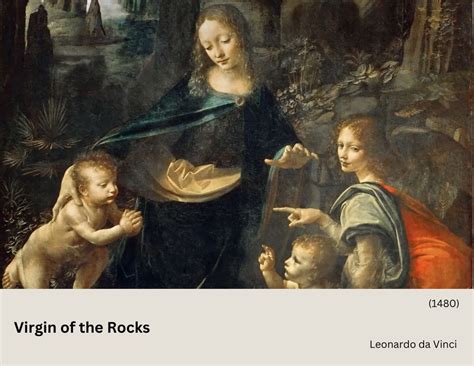
The enigmatic masterpiece Virgin in the Rocks has captivated art enthusiasts and historians for centuries, representing one of the most intriguing works in the Renaissance artistic canon. Leonardo da Vinci’s extraordinary painting challenges viewers with its complex symbolism, intricate composition, and profound spiritual undertones that transcend mere visual representation.
The Artistic Genesis of Virgin in the Rocks

Leonardo da Vinci’s Virgin in the Rocks is not a singular work but exists in two primary versions, each telling a unique narrative of artistic evolution. The first version, created between 1483 and 1486, is housed in the Louvre in Paris, while the second version, completed around 1495-1508, resides in the National Gallery in London.
Symbolic Landscape and Composition

The painting’s distinctive features include:
- A rocky, cavernous landscape that serves as more than a mere background
- Intricate positioning of biblical figures
- Masterful use of sfumato technique
- Profound symbolic representations of divine protection
Theological and Artistic Interpretation

In the Virgin in the Rocks, da Vinci presents a complex theological narrative. The painting depicts the Virgin Mary protecting the infant Jesus and John the Baptist, symbolizing divine protection amidst a challenging, metaphorical landscape representing life’s difficulties.
| Version | Location | Creation Period |
|---|---|---|
| First Version | Louvre, Paris | 1483-1486 |
| Second Version | National Gallery, London | 1495-1508 |

Technical Mastery in Virgin in the Rocks

Da Vinci’s technical brilliance shines through in this work. The sfumato technique, characterized by soft, hazy transitions between colors and tones, creates an ethereal quality that blurs the boundaries between reality and spiritual representation.
🎨 Note: The painting's intricate details reveal da Vinci's profound understanding of geology, botany, and human anatomy.
Geological Precision

Remarkably, the rocky formations in Virgin in the Rocks demonstrate da Vinci’s keen geological observations. Each stone and crevice is meticulously rendered, reflecting his scientific approach to artistic representation.
The painting's enduring appeal lies in its ability to merge spiritual narrative with scientific precision, creating a work that transcends traditional religious art. Da Vinci transforms a biblical scene into a profound meditation on divine protection, human vulnerability, and the interconnectedness of natural and spiritual realms.
How many versions of Virgin in the Rocks exist?

+
Two primary versions exist: one in the Louvre (1483-1486) and another in the National Gallery (1495-1508).
What technique did da Vinci use in this painting?

+
Da Vinci used the sfumato technique, creating soft, hazy transitions between colors and tones.
What does the rocky landscape symbolize?

+
The rocky landscape represents life’s challenges and serves as a metaphorical backdrop for divine protection.