
I’ll help you create a blog post about MEPS in the Marines. I’ll first do a web search to gather accurate information. Based on the search results, I’ll create the blog post about MEPS in the Marines:
Military Entrance Processing Stations (MEPS) represent a critical gateway for aspiring Marines who dream of serving their country. This comprehensive processing center is where potential recruits transform from civilian candidates into future military service members. The MEPS is not just a location, but a pivotal moment in a Marine’s journey, where physical, mental, and moral standards are carefully evaluated.
Understanding MEPS: The Gateway to Marine Corps Service

A Military Entrance Processing Station (MEPS) is a joint-service organization within the Department of Defense responsible for screening and processing potential military recruits. For Marines, this facility serves as the critical checkpoint where candidates prove their readiness to join one of the most prestigious fighting forces in the world.
The MEPS Process for Marine Recruits

The journey through MEPS typically involves several key steps that determine a recruit’s eligibility and potential career path:
1. Initial Screening

Before arriving at MEPS, candidates first meet with a Marine Corps recruiter who conducts an initial assessment. Recruiters evaluate basic qualifications such as: - Age requirements - Height and weight standards - Educational background - Medical history - Criminal record
2. ASVAB Testing
The Armed Services Vocational Aptitude Battery (ASVAB) test is a crucial component of the MEPS process. For the Marine Corps, candidates must achieve a minimum score of 35 to qualify. The test measures aptitude in: - General science - Arithmetic reasoning - Word knowledge - Paragraph comprehension - Numerical operations - Mechanical comprehension - Electronics information
3. Comprehensive Physical Examination

Recruits undergo an extensive medical screening that includes: - Blood and urine tests - Drug and alcohol screenings - Vision and hearing examinations - Height and weight measurements - Complete medical history review
4. Job Selection and Career Counseling

Based on ASVAB scores and physical capabilities, Marine Corps counselors help recruits select appropriate military occupational specialties. The available positions depend on the branch’s current needs and the individual’s qualifications.
5. Background Screening

Candidates are fingerprinted for an FBI background check. Any criminal history may require a moral waiver and could potentially impact enlistment eligibility.
Preparing for Your MEPS Visit

To ensure a smooth MEPS experience, Marine recruits should: - Bring all necessary documentation (Social Security card, birth certificate) - Wear comfortable, presentable clothing - Remove all piercings - Get a good night’s sleep - Arrive early and follow all instructions carefully
🌟 Note: The MEPS physical examination is valid for two years, giving recruits flexibility in their enlistment timeline.
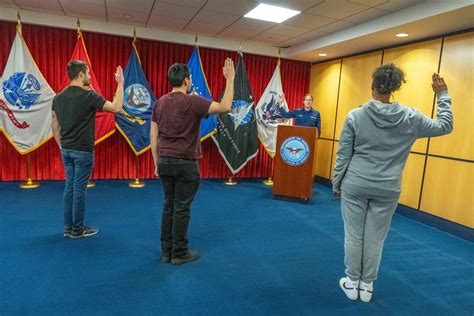
The final step of the MEPS process is the Oath of Enlistment, a powerful moment where recruits officially commit to serving in the United States Marine Corps. Family and friends are often invited to witness this momentous occasion.
How long does the MEPS process take?

+
The entire MEPS process typically takes one to two days, including testing, medical examinations, and job selection.
Can I bring someone with me to MEPS?

+
Parents or guardians can accompany you to MEPS but are not allowed in the processing areas. They can attend the Oath of Enlistment ceremony.
What if I have a past medical condition?

+
Many medical conditions can be waived. It's crucial to discuss your full medical history with your recruiter to determine eligibility.
The journey through MEPS is more than just a processing procedure—it’s the first step towards becoming a Marine, embodying the core values of honor, courage, and commitment. Each recruit who passes through these stations becomes part of a proud tradition of service and excellence.

